What goes into a whole house generator cost
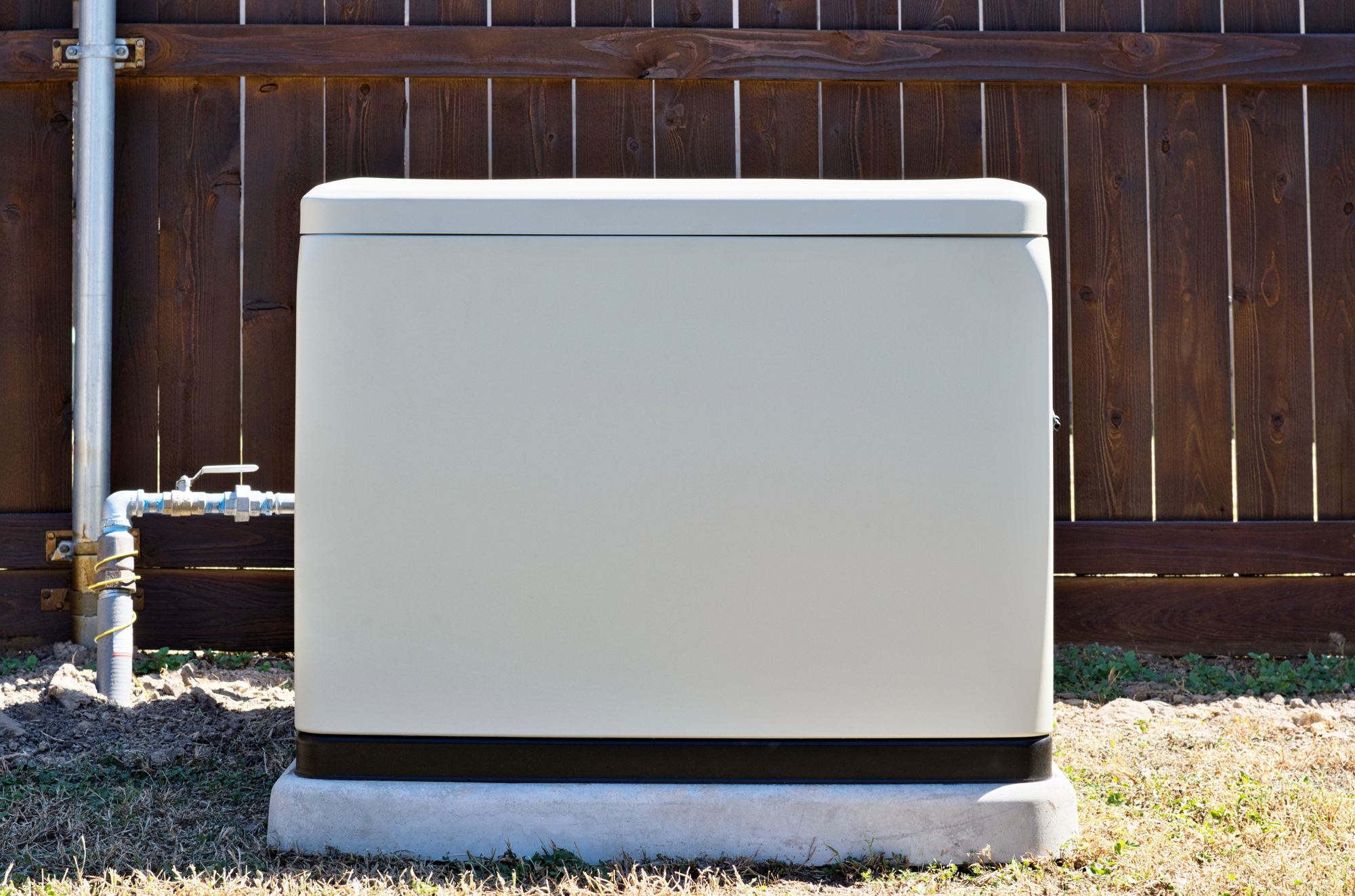
- The generator. Price climbs with size. A unit that runs the whole house with central air costs more than one that covers the essentials. Air-cooled models cover most homes; liquid-cooled models for very large houses cost considerably more.
- The transfer switch. A switch that carries the whole electrical service costs more than one for selected circuits. Load management modules, which keep big appliances from starting at once, are sometimes added.
- The gas line. Longer runs and larger pipe cost more. The line has to be sized for the generator at full load, not just for what fits.
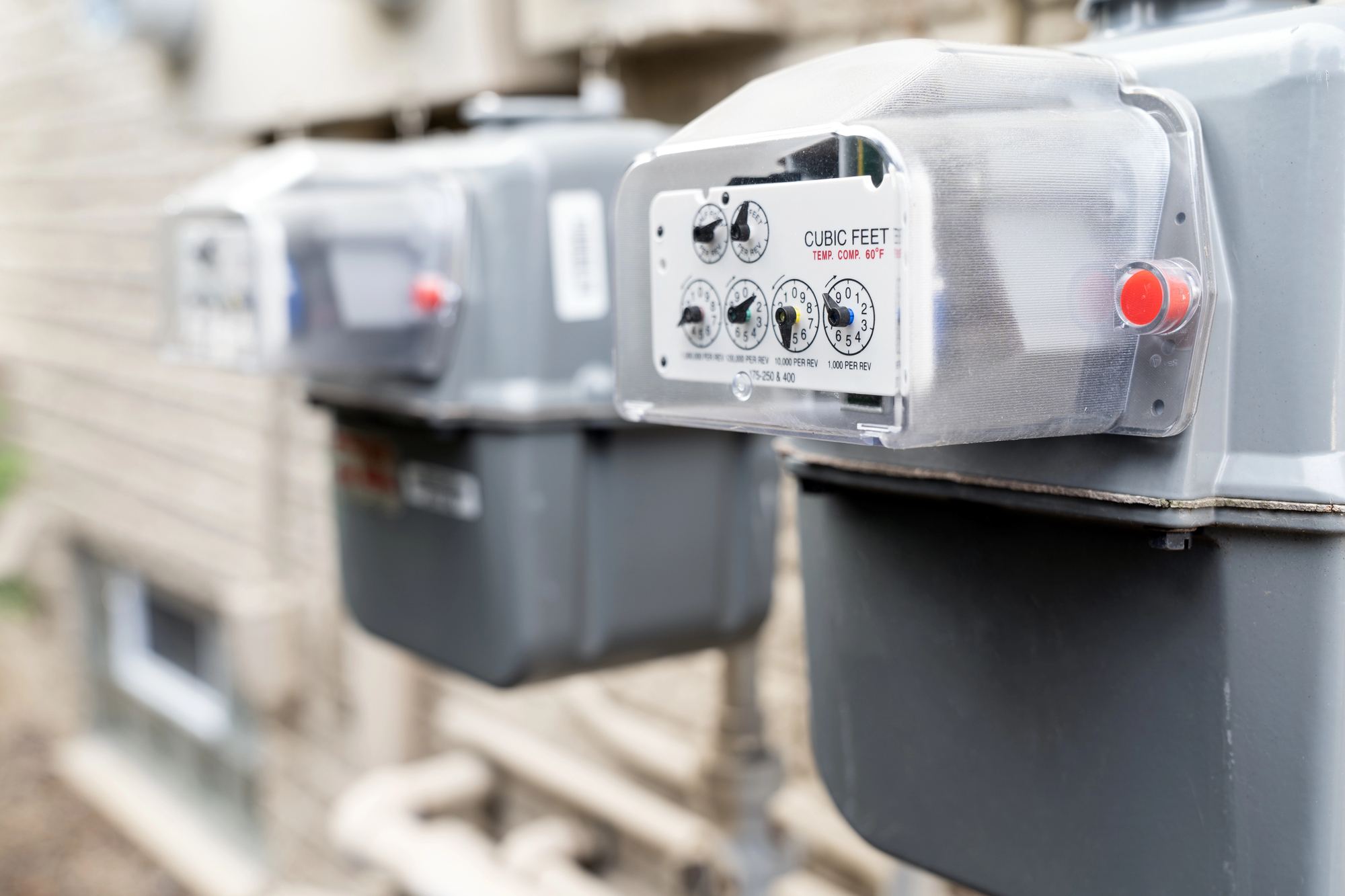
- Gas meter. Some meters can't supply a generator plus the furnace and water heater. If the gas utility has to swap it, that adds time and sometimes cost.
- Electrical panel. An older, full or undersized panel may need work before a generator can be tied in.
- Pad and placement. Most units sit on a pre-cast pad. Slopes, tight side yards or long distances from the meter and panel add labor.
- Permits and inspection. The electrical and gas work are permitted through the city.
We don't post a single price here because no two houses come out the same. A site visit in Kansas City gets you a written number for yours.
Choices that move the price the most
Whole home vs. essentials. This is the biggest lever. Running central air during an outage takes a much larger generator than running the furnace, fridge and sump pump.
Natural gas vs. propane. Homes with natural gas skip the tank. Propane homes need a tank sized for the runtime they want, plus fill-ups.
Where it goes. The closer the generator sits to the gas meter and the panel, the shorter the runs and the lower the labor.