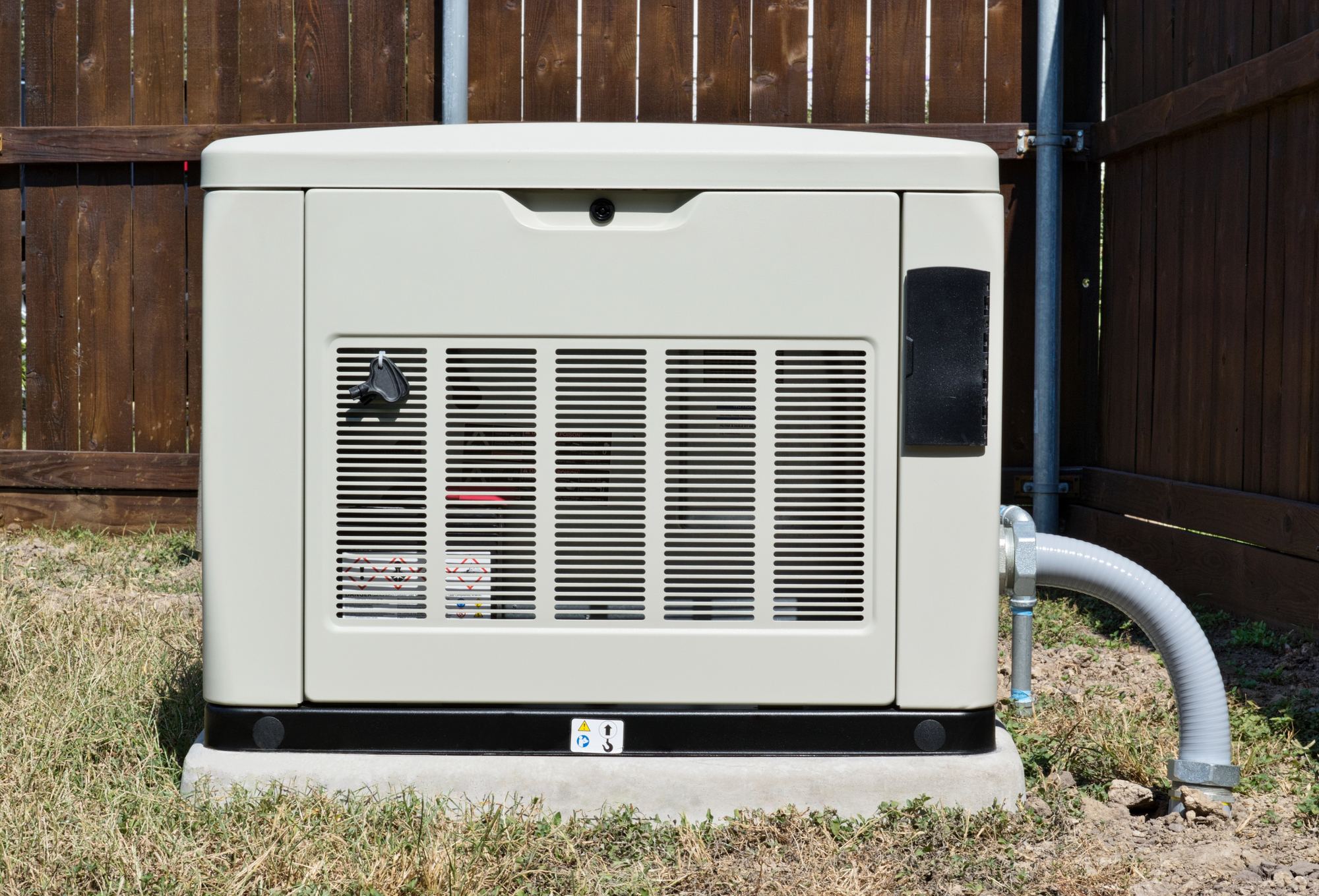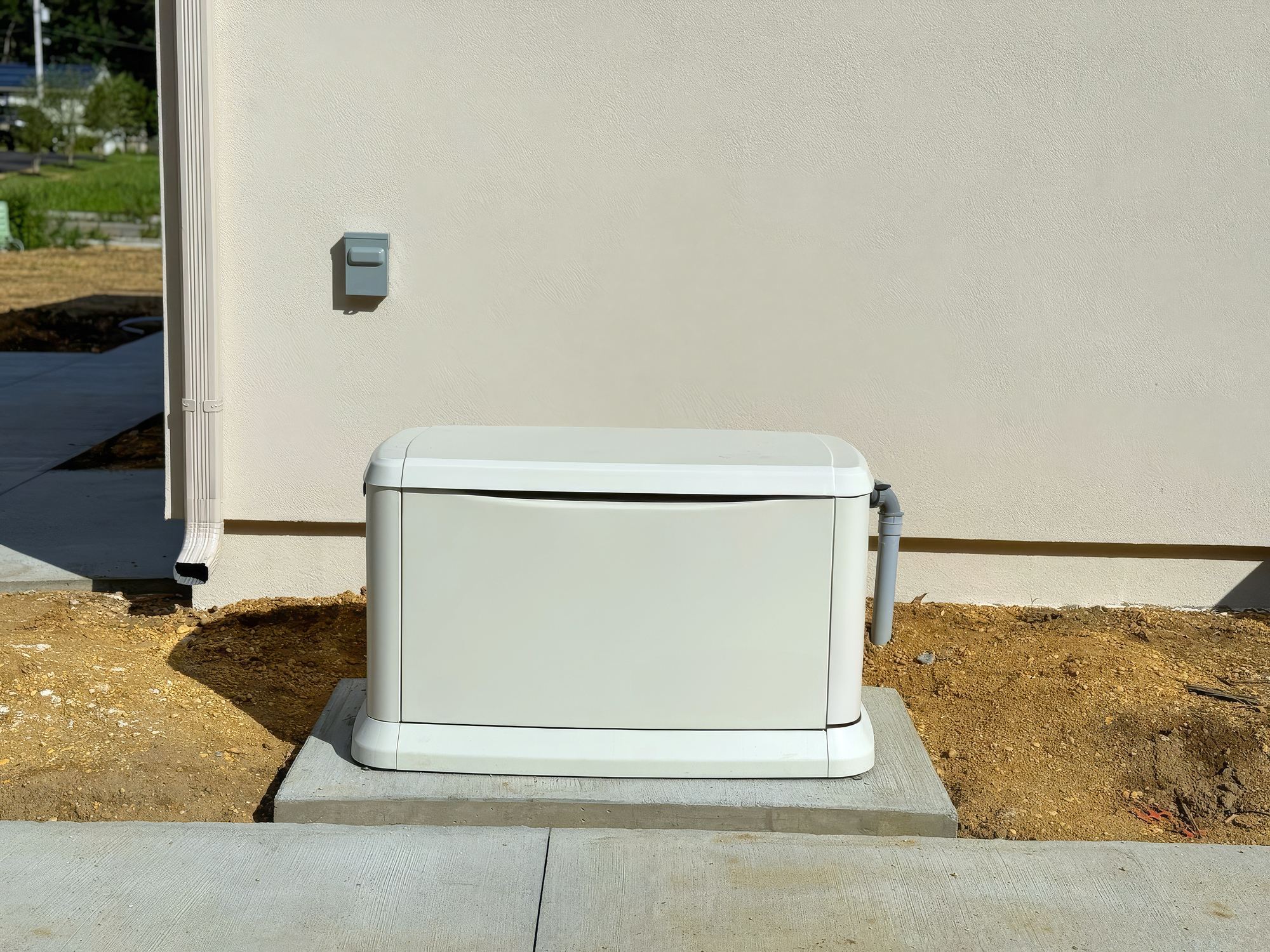
Why so many people ask for Generac
Generac has been the best-known name in home standby power for a long time, and it shows in what's already sitting in Kansas City yards. That has a practical upside: parts are easy to get, plenty of techs know the units, and the controllers are familiar to whoever services it later. Many newer Generac units can also connect to an app that shows the generator's status and sends an alert if it needs attention.
Being popular doesn't make it the only choice. Other brands make good home standby generators too, and the questions below cover how they compare. What matters most is the right size and a clean install.
Picking the right size Generac
Generac's home standby line comes in several sizes, and the right one depends on what you want running during an outage. Covering a furnace, fridge, sump pump and some lights is a very different load from running a whole house with central air on a July afternoon. We do a load calculation on the visit and match it to a model, then check that your gas meter and line can deliver the fuel that model needs at full load. If the meter needs to be larger, that's the gas utility's decision, and we get the request started early.
What Generac generator installation includes
- Site visit and load calculation to choose the model and transfer switch.
- Permits for the electrical and gas work.
- Pad and placement at the clearances Generac and code require from windows, doors and vents.
- Gas line from the meter or propane tank, sized and pressure-tested.
- Transfer switch and wiring between the utility, the generator and your panel.
- Inspection and startup, including the exercise schedule, a test run under load and a walkthrough of the controls.